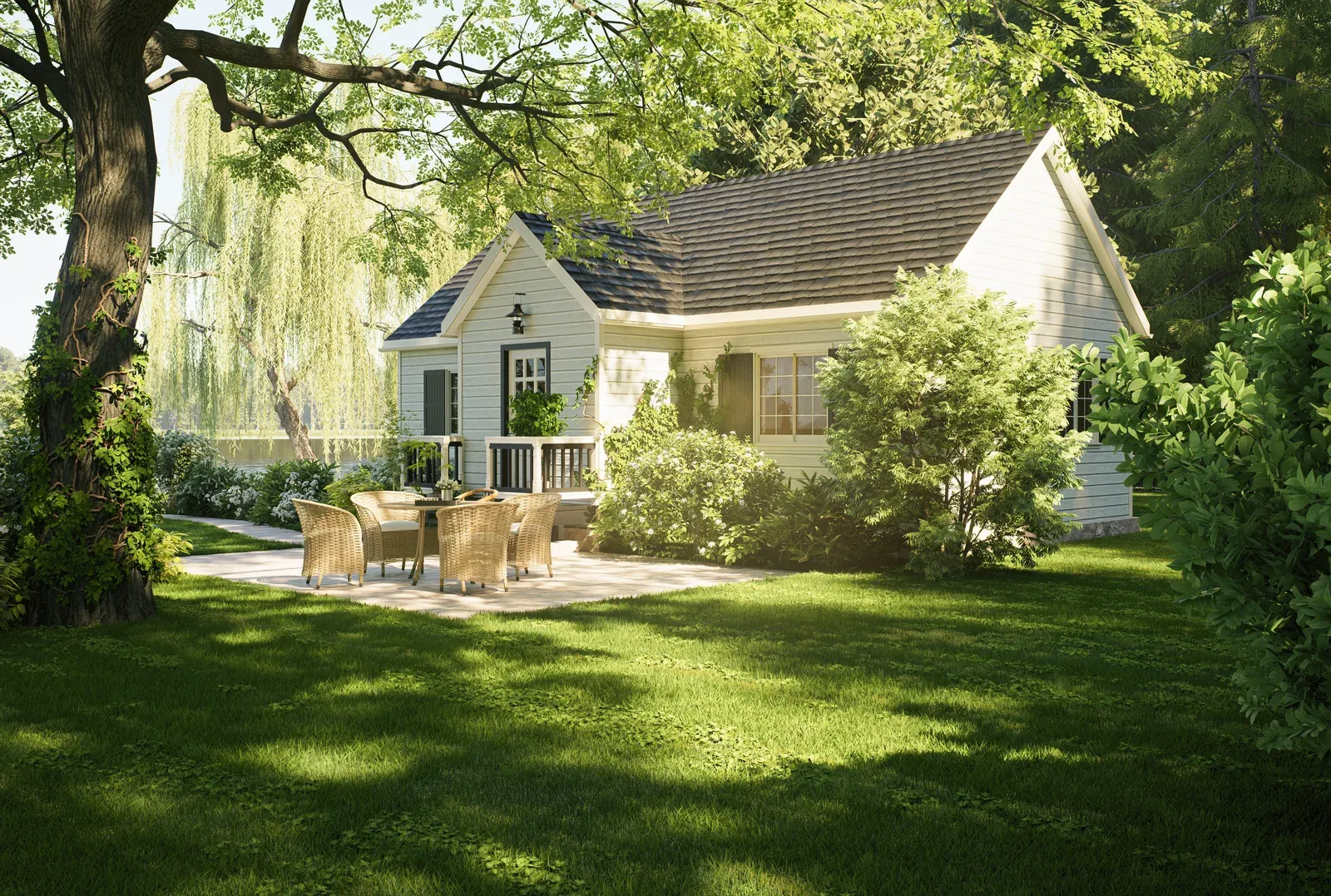
A garden suite drawing from the same well as the main house needs the well's capacity and water quality confirmed first. Here is what that involves and what it can cost.
Why a Second Dwelling Changes the Well Equation
A private well was sized for one household's demand, and a garden suite adding a kitchen, a bathroom, laundry, and a second occupant or family changes that math meaningfully. Unlike municipal water, where capacity is effectively unlimited from the homeowner's perspective, a well has a genuine physical limit, how much water the aquifer can deliver per minute or per day, and running two households off one well that was never tested for that combined demand is a real risk, not a formality. This is one of the first things worth checking on any rural or semi-rural property considering a garden suite, because the answer shapes whether the project uses the existing well, needs the well upgraded, or requires a second well entirely.
Flow Testing: Finding Out What the Well Can Actually Deliver
A flow test, sometimes called a pump test, is how a well's real capacity gets measured rather than assumed. A qualified well contractor runs the well at a sustained rate over a period of hours, monitoring how the water level in the well responds, to determine the well's safe yield, generally expressed in litres or gallons per minute, and how that yield holds up under sustained draw. This test also reveals whether the well was already operating close to its limit for the main house alone, which happens more often than homeowners expect on older wells or in areas with less generous groundwater. The result of a flow test is the single most important input into whether the existing well can support a second dwelling, and it's worth commissioning early in the feasibility process rather than assuming a well that's “always been fine” has meaningful spare capacity.
Water Quality and Treatment for a Second Household
Flow rate isn't the only variable; water quality matters just as much once a well is serving two separate households, particularly if the suite will be rented to a tenant rather than occupied by family. A water quality test checks for bacteria, hardness, iron, and other common rural well issues, and while these tests are good practice for any well regardless of a garden suite, adding a second household raises the stakes if the existing treatment system, softening, filtration, UV disinfection, wasn't sized with two kitchens and two bathrooms in mind. Depending on the results, a garden suite project might need an upgraded treatment system serving both dwellings, or in some cases a separate, smaller treatment setup dedicated to the suite. This is a health and habitability question as much as a technical one, especially when the suite will house an aging parent or a tenant relying on the water being safe without a second thought.
Shared-Well Agreements: The Paperwork Nobody Thinks About
When a single well serves both the main house and a garden suite that may eventually be rented, sold with the property, or occupied by a family member with their own interests, it's worth formalizing a shared-well agreement, particularly if there's any chance the suite or main house could change ownership independently in the future, or if local regulations require documentation of shared water servicing for the building permit. A basic agreement addresses who maintains and pays for the well and any shared treatment equipment, what happens if the well needs significant repair or the water quality changes, and access rights to the wellhead and equipment if it sits on one owner's portion of a divided property. Most garden suite situations don't involve separate ownership, so this is often a lighter-touch documentation exercise than it sounds, but it's worth raising with a lawyer during the planning stage rather than after a dispute arises.
When a Second Well Makes More Sense
In some cases, particularly where a flow test reveals limited spare capacity, or where the suite sits a significant distance from the existing well, drilling a second, dedicated well for the garden suite is the more practical answer rather than upgrading or straining a shared system. This adds cost, well drilling in Ontario varies considerably by depth and geology, and requires its own approvals and testing, but it removes the shared-capacity risk entirely and gives the suite fully independent servicing. Whether a second well makes sense over a shared one comes down to the specific flow test results, the distance and terrain involved, and how the suite will ultimately be used, rented long-term, occupied by family, or held for future flexibility all shift the calculation somewhat.
Starting With an Honest Site Assessment
Because well capacity, water quality, and shared-servicing logistics are all site-specific, the right starting point for any garden suite on well water is a professional assessment before design work locks in a floor plan or a foundation location. A flow test and water quality test give you real numbers instead of assumptions, and a qualified well contractor can advise honestly on whether the existing well serves the project or whether a second well is the better long-term answer. Home Garden Suites coordinates this assessment as part of feasibility for rural and semi-rural properties, alongside septic capacity and standard zoning review, so the whole servicing picture, water in and wastewater out, is understood before construction planning begins.
Related Reading
Ready to plan your garden suite?
Our design-build team is here to help you bring your backyard home to life. Get a free, no-obligation quote today.
Get Free Quote