Shipping Container Homes in Ontario Backyards: Hype vs Reality
Shipping containers photograph beautifully, but turning one into a legal Ontario dwelling erases most of the savings. Here's where containers genuinely work, and where they don't.
The Instagram Appeal
Shipping container homes photograph beautifully: exposed steel, big cut-in windows, an industrial look that feels modern and efficient. The pitch is that a container is already a structure, so building with one should be cheaper and faster than framing a house from scratch. In practice, a shipping container is a steel box engineered to stack cargo at sea, not to insulate, ventilate, or safely house people through an Ontario winter, and turning one into a legal, code-compliant dwelling requires enough structural and mechanical work that the cheap-and-fast pitch rarely survives contact with an actual permit application. That doesn't mean containers have no place in a backyard project, they genuinely do, just usually not as the primary living structure people picture when they see the photos.
The Honest Case for Shipping Containers
Give containers their due: as a structural steel shell, they're strong, stackable, and weatherproof against rain and pests in their unmodified state, which makes them genuinely useful for purposes that don't require full residential comfort or code compliance. A container makes an excellent, inexpensive site office during construction, a secure storage unit for tools and materials, or a simple backyard workshop where insulation and finished interiors matter less. Some ambitious custom builds do successfully incorporate containers as structural elements within a properly engineered, insulated, and permitted design, essentially using the steel box as one component of a larger, code-compliant build rather than the whole house. Where containers earn their reputation is in exactly these supporting roles: fast, tough, low-cost structures for functions that don't need to meet the Ontario Building Code's standards for a habitable dwelling.
Why Code Compliance Erodes the Savings
A shipping container that will be lived in has to meet the same Ontario Building Code requirements as any other dwelling: proper insulation and vapour barriers, adequate ceiling heights, egress windows, fire separation, and mechanical ventilation, none of which a raw container provides. Steel is also a poor building envelope on its own, it conducts heat and cold directly through the walls, so containers need substantial interior furring, rigid insulation, and vapour control to avoid crippling energy bills and, worse, condensation that rusts the structure from the inside. Cutting in the windows and doors a livable space needs removes structural steel that was doing real work, so those openings typically require engineered reinforcement to keep the container sound, adding cost that a conventional stud wall never faces in the first place. And a container still needs a proper foundation, the same water, sewer, and hydro servicing as any dwelling, and the same permits and inspections, so almost none of the it's-already-built savings actually survives the process of making it legally habitable.
The Cost Comparison
By the time a container is insulated, re-engineered for openings, foundationed, serviced, and finished to Ontario Building Code standards, the total often lands close to, and sometimes above, what a conventional-frame prefab or custom garden suite costs, without the design flexibility either of those options offers. A conventional prefab suite starts from around $225,000 and a custom build runs $285,000 to $450,000-plus, both fully engineered from the ground up for residential comfort and code compliance, with predictable finish quality because the systems were designed for the job rather than retrofitted onto a shipping container. Multi-container designs, stacking or combining units for more space, multiply the re-engineering cost with every additional structural connection, often erasing whatever savings a single container appeared to offer. The honest number to compare isn't the price of a used container, it's the fully permitted, livable cost per square foot, and on that measure containers rarely beat conventional construction in Ontario's climate.
Choose a Container If… / Choose a Garden Suite If…
Choose a shipping container if you want a site office, secure storage, or a simple unheated workshop where code-compliant residential comfort isn't the goal, or if you're working with an engineer on a genuinely custom design that uses containers as one structural component within a properly insulated, permitted build. Choose a conventional garden suite, prefab or custom, if the goal is a comfortable, legal, code-compliant dwelling for a tenant, a parent, or an adult child, because conventional construction methods were designed specifically for the insulation, ventilation, and structural needs a home requires, without the retrofit costs a steel shipping box adds on top. The industrial look containers offer can still be achieved with conventional framing and metal cladding, if that's the aesthetic you're after, without inheriting the thermal and structural compromises of the box itself.
The Look Without the Compromises
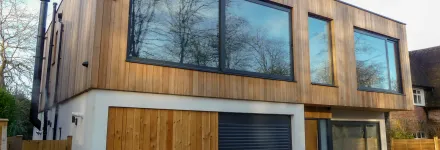
If the container aesthetic is what's drawing you in, a conventional-frame garden suite with metal siding, large glazing, and clean industrial lines can deliver the same look with a building envelope actually engineered for Ontario winters. Our free feasibility assessment looks at your lot and gives you a real cost range for a code-compliant suite, whatever the exterior finish ends up being. Design, permits, and construction run under one fixed-scope contract, with a two-year workmanship warranty on the finished home, the kind of guarantee that's hard to offer on a retrofitted cargo box never engineered to be a house in the first place. We're happy to build the industrial look you want; we just build it with materials chosen for the job, not repurposed from one.
Related Reading
Ready to plan your garden suite?
Our design-build team is here to help you bring your backyard home to life. Get a free, no-obligation quote today.
Get Free Quote