
Insuring a Garden Suite: Coverage, Costs & Landlord Policies
A garden suite changes your insurance needs three separate times: during construction, once it’s built, and again if you start renting it out. Here’s how each stage works.
Your Insurance Needs Change More Than Once
Most homeowners think about insurance once, when they buy the house, and assume it will simply cover whatever they add later. A garden suite breaks that assumption in three distinct stages: coverage during construction, coverage once the suite is finished and used by family, and coverage once you introduce a paying tenant. Each stage carries different risks and needs a different conversation with your broker, and skipping any of them can leave a real gap, exactly when you need coverage most. The good news is that none of this is complicated once you know the three stages exist; it is simply a matter of calling your insurer at the right moments rather than assuming your existing policy already has you covered.
Course-of-Construction Coverage During the Build
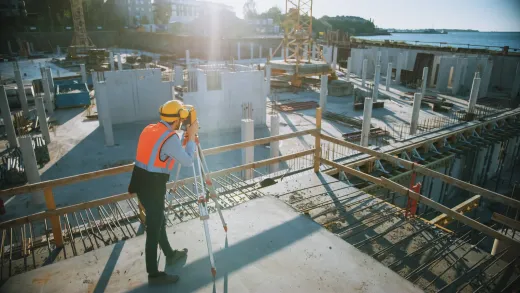
While your garden suite is under construction, it is a partially built structure full of exposed materials, tools, and, at times, open walls, which is a very different risk profile than a finished home. Course-of-construction, sometimes called builder’s risk, coverage protects against fire, theft, weather damage, and vandalism during the build itself, and it is worth confirming in writing whether your existing homeowner policy extends to cover the new structure automatically or whether a separate rider or policy is required. Many standard homeowner policies do not automatically extend full coverage to a new detached structure being built, so this is a call worth making to your broker before, not after, the foundation goes in.
Adding the Suite to Your Homeowner Policy
Once construction is complete and the suite is used by family rather than rented, most insurers will add it to your existing homeowner policy through an endorsement that increases your dwelling coverage to reflect the suite’s replacement cost and adds any relevant liability coverage. This typically increases your premium modestly, reflecting the additional insured value on the property, but it keeps you under a single policy and a single insurer relationship. The key step homeowners miss is notifying their insurer proactively once the suite is finished; failing to disclose a new structure on the property is exactly the kind of gap that can complicate or delay a claim later, even on an unrelated part of the house.
Switching to a Landlord Policy Once You Rent
The moment you rent the garden suite to a tenant, the insurance conversation changes again. A standard homeowner policy is generally not designed for a landlord-tenant relationship, and most insurers require a landlord or rental dwelling policy, which typically costs more than standard homeowner coverage but adds protections specific to renting, including loss-of-rental-income coverage if the suite becomes uninhabitable after a covered event, and liability protection tailored to a tenant occupying the space. Not disclosing that a structure is tenanted, when your policy assumes owner-occupancy, is one of the more common and avoidable reasons a claim gets denied, so this switch should happen before your first tenant moves in, not after.
Requiring Tenant Insurance
Most experienced landlords require tenants to carry their own renters insurance as a lease condition, and for good reason: your landlord policy covers the building and your liability as owner, but it does not cover a tenant’s personal belongings or the tenant’s own liability for incidents inside the suite. Renters insurance is inexpensive, and requiring proof of an active policy before handing over keys is a standard, reasonable landlord practice across Ontario. It protects the tenant’s own possessions in the event of a fire or flood, and it reduces the chance that a tenant-caused incident becomes a dispute that lands entirely on your landlord policy.
Getting the Right Coverage From Day One
The common thread across all three stages is disclosure: your insurer needs to know what is being built, what it is used for, and who is living in it, at each point the situation changes. A broker experienced with secondary suites can walk you through course-of-construction coverage, the homeowner endorsement, and the eventual landlord policy in a single conversation, rather than leaving you to discover the requirements one gap at a time. Treat insurance the same way you treat permits: a box to check off deliberately at each project milestone, not an afterthought you revisit only after something has already gone wrong.
What Coverage Typically Costs
Exact premiums vary by insurer, property, and coverage limits, but homeowners should expect three separate cost increments across the suite’s life: a modest add-on for course-of-construction coverage during the build, a further increase once the finished suite is added to the homeowner policy as insured dwelling value, and a larger jump when that policy converts to a landlord or rental dwelling policy once tenanted. None of these increments are large enough to change the underlying economics of building a garden suite, but they are real recurring costs that belong in your annual operating budget alongside maintenance and property tax, rather than being treated as a one-time expense you pay once and forget.
Related Reading
Ready to plan your garden suite?
Our design-build team is here to help you bring your backyard home to life. Get a free, no-obligation quote today.
Get Free Quote