
Aging Together: Friends, Co-Housing & the Backyard Compound Idea
A growing number of longtime friends are choosing to age near each other rather than alone, using garden suites to build a backyard compound without pretending it is co-ownership.
Growing Old on the Same Street as Your Friends
A specific, growing conversation is happening among longtime friend groups now reaching their sixties and seventies: instead of each couple or individual aging alone in a large, increasingly empty house, what if we grew old near each other instead. Nobody is proposing a commune; the appeal is more practical than that, built-in company, mutual support with errands and rides, someone nearby who notices if something is wrong, without giving up individual homes, finances, or independence. A garden suite fits naturally into this conversation because it lets one friend build a right-sized, single-storey home on a property they, or another friend, already own, close enough for daily contact without merging households or finances.
The Backyard Compound Idea, Explained
The idea generally takes one of two practical shapes. In the first, a homeowner with a large, aging house and a friend without one builds a garden suite specifically so that friend can live steps away, sharing some costs or simply sharing proximity, while each keeps their own space and routine. In the second, a small cluster of friends who already live near each other coordinate, sometimes informally, sometimes with real planning, so that each builds or already has a suite or small home within walking distance, creating an informal support network across a few adjacent properties rather than one shared compound. Both versions trade some of the isolation that often comes with aging for genuine, chosen proximity to people who already know and like each other.
What Ownership Actually Looks Like
Here is the honest part many friend groups skip past too quickly: a garden suite is not a separately titled property, and building one for a friend does not create shared ownership of the underlying lot unless a formal legal structure, a co-ownership agreement, a loan agreement, a life lease, is put in place to reflect that. If a friend contributes money toward construction, that contribution needs to be documented clearly, what it entitles them to, what happens if the property owner sells or dies, what happens if the friend wants to move on, because an undocumented financial contribution to someone else's real property is a genuinely risky position for the contributing friend to be in. This is a conversation for a real estate lawyer before any money changes hands, not an assumption to build a friendship-based plan around.
Designing for Independence and Company
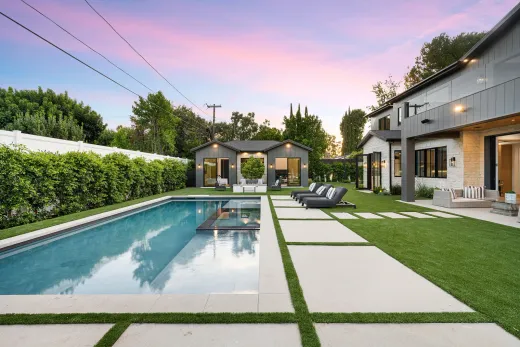
A suite built for this purpose works best designed the same way any garden suite is: a genuine, complete home with its own kitchen, bathroom, and entrance, not a shared or communal arrangement dressed up as independence. Single-storey, barrier-free design matters more here than in almost any other use case, since the whole premise is aging in place together, and a no-step entrance, a curbless shower, and wide doorways extend how many years the arrangement actually works before mobility changes force a rethink. A shared or adjacent outdoor space where friends can gather, a patio, a garden, a common path between two properties, supports the social side of the arrangement, while each suite's own private space protects the individual independence that makes the whole idea appealing in the first place.
The Financial Side of Co-Housing With Friends
Financially, treat a friend-based arrangement with the same rigour as any other garden suite project: a custom suite typically runs $285,000 to $450,000-plus, or from around $225,000 prefab, funded through a HELOC or conventional refinance against the property owner's own equity, since a friend generally cannot access financing secured against a property they do not own. If a friend is contributing financially in exchange for the right to live in the suite long-term, structure that formally, a documented loan, a registered life lease, or another instrument a lawyer recommends, rather than an informal understanding. Note too that this arrangement does not qualify for the Multigenerational Home Renovation Tax Credit, since that credit requires the suite's occupant to be related to the property owner by blood, marriage, or adoption, not simply a close friend.
What Can Go Wrong, and How to Prevent It
The risks in a friends-based arrangement are mostly foreseeable, and mostly preventable with planning done up front. A property owner's death or a forced sale can leave a contributing friend with no legal claim to remain, unless that protection was built into a documented agreement in advance. A falling-out between friends is harder to navigate than a landlord-tenant relationship precisely because the friendship, not just the housing, is at stake, which argues for genuinely clear terms rather than relying on goodwill to carry an informal arrangement indefinitely. Health changes on either side can shift what one friend can offer or needs from the other, and revisiting the arrangement periodically, with a lawyer involved for any significant change, keeps it realistic as circumstances evolve.
Is This Right for Your Group?
A backyard compound arrangement suits friend groups with a genuinely strong, long-standing relationship, a realistic appetite for the legal groundwork involved, and honest expectations about what the arrangement is and is not. It is not a substitute for proper estate and legal planning, and it works best when every party involved gets independent legal advice before committing anything financially. A single-storey suite built to full residential code, typically taking six to ten months from first meeting to move-in, also holds real value on its own regardless of how the friendship evolves, since it remains a legitimate, flexible asset on the property owner's lot either way. If the idea appeals to your friend group, a feasibility assessment on the property in question is a grounded first step, confirming what the lot can actually support before the harder legal and financial conversations begin in earnest.
Related Reading
Ready to plan your garden suite?
Our design-build team is here to help you bring your backyard home to life. Get a free, no-obligation quote today.
Get Free Quote